Top 10 Profitable Crafts to Make and Sell

Crafting is more than just a hobby; it's a thriving business opportunity. Many people are turning their creative projects into profitable ventures.
The demand for unique handmade items is growing. Consumers appreciate the personal touch and quality that handmade crafts offer.
Starting a craft business can be both rewarding and lucrative. It allows you to express creativity while earning income.
Market crafts are diverse, ranging from jewellery to home decor. Each offers its own set of opportunities and challenges.
Choosing the right craft to make and sell is crucial. It involves understanding market trends and consumer preferences.
DIY crafts are popular for their customisation potential. They allow crafters to cater to specific tastes and styles.
Selling crafts requires strategic planning. From pricing to marketing, every aspect needs careful consideration.
Online platforms like Etsy have made it easier to reach a global audience.
They provide a marketplace for selling handmade items.
This guide will explore the top 10 profitable crafts to sell. Discover how to turn your craft ideas into a successful business.
Why Sell Handmade Crafts? The Benefits and Opportunities
Selling handmade crafts offers numerous advantages. It goes beyond just financial gain. Crafting can be a fulfilling and meaningful pursuit.
Firstly, handmade items have a personal touch. This uniqueness often attracts customers seeking distinct products. High-quality, unique handmade items can command premium prices.
Additionally, crafting provides creative freedom. Crafters can explore various materials and techniques. This experimentation often leads to innovative products.
Engaging in a craft business helps in building a brand. Sellers can tell their stories through their products. A strong brand can create an emotional connection with buyers.
Moreover, selling handmade crafts offers flexibility. You can balance it with other commitments, making it perfect as a side hustle. Consider the following benefits:
- Market Growth: The market for handmade items is expanding.
- Community: Joining the craft community offers support and inspiration.
- Eco-Friendly: Many handmade products align with sustainable practices.
Finally, selling crafts can be socially engaging. Participating in craft fairs or markets helps connect with like-minded individuals. Thus, it provides a platform for showcasing talents and gaining feedback.
How to Choose the Right Craft to Make and Sell
Choosing the perfect craft to sell requires careful thought. It's about balancing passion with market demand. Start by identifying crafts that spark your interest.
Consider market trends and consumer preferences. Look for gaps where unique handmade items can thrive. Research platforms like Etsy to see what's trending.
Assess your skills realistically. Beginners may opt for simpler craft ideas. As skills develop, more complex projects can be tackled. This ensures quality and builds confidence.
Evaluate the cost of materials versus potential profit. Choose crafts that are affordable to produce but can sell at a good margin.
Here are essential factors to consider when deciding:
- Passion: A love for the craft fuels motivation.
- Skill Level: Start with crafts matching your expertise.
- Trends: Align with current consumer interests.
- Profitability: Ensure costs align with expected returns.
Finally, test your products in small batches to gauge buyer interest. Feedback will refine your offerings and guide you in selecting profitable crafts to market.
1. Handmade Jewellery: Endless Possibilities and High Demand
Handmade jewellery remains a staple in the craft world. Its versatility and personalisation options make it highly desirable. Each piece tells a story, adding to its charm.
Crafters can experiment with materials like beads, metals, and gemstones. This variety attracts diverse customer tastes. Personalisation elevates the appeal of handmade items even further.
Consider current jewellery trends for inspiration. Minimalist designs and eco-friendly materials are popular now. Staying updated ensures your offerings remain competitive.
Handmade jewellery commands high prices due to its uniqueness. Customers appreciate the craft and exclusivity. This can lead to a rewarding profit margin.
Before diving in, test different designs and materials. Understand what resonates with your audience. This step is crucial in establishing a successful craft business in jewellery.
When creating handmade jewellery, remember key tips:
- Keep Designs Fresh: Innovate with styles regularly.
- Focus on Quality: Use durable materials.
- Emphasise Personalisation: Offer custom options for buyers.
- Market Creatively: Use eye-catching photos in listings.
In conclusion, handmade jewellery combines creativity with demand.
Its flexibility allows crafters to grow and succeed, making it an excellent choice for those looking to sell crafts.
2. Candles: Creative Scents and Custom Designs
Candles hold a special place in the hearts of many. They transform spaces with light and scent. Crafting candles offers creative expression through endless combinations.
Experiment with different waxes to find your signature touch. Soy wax and beeswax are popular for their eco-friendly qualities. These materials also burn cleaner and longer.
Scent plays a pivotal role in candle appeal. Unique scent blends can differentiate your products. Consider seasonal aromas like pumpkin spice or evergreen.
Customers often seek candles with unique designs. Embedding dried flowers or using layered colours can add visual interest. These details make your candles stand out in the market.
Selling candles allows you to tap into both online and offline markets. Craft fairs and farmers markets can be ideal for face-to-face sales. Online platforms, like Etsy, expand your reach globally.
When crafting and selling candles, remember these insights:
- Source Quality Waxes: Ensure they are eco-friendly.
- Craft Unique Scent Blends: Differentiate your offerings.
- Focus on Eye-Catching Designs: Use creative wax pouring techniques.
- Target Seasonal Trends: Create themed collections.
In summary, candle making is not just about function but also experience. The right scent and design can evoke emotions and memories, ensuring your craft leaves a lasting impact and attracts loyal customers.
3. Personalised Home Décor: Custom Signs, Wall Art, and More
Transforming a house into a home involves personal touches. Personalised home décor offers customers a chance to display their personality. Custom signs and wall art are always in demand.
Creating personalised décor requires creativity and attention to detail. Hand-painted signs with family names or meaningful quotes are popular. These items make perfect gifts for various occasions.
Wall art can range from intricate designs to simple minimalist pieces. Using different media, like wood or canvas, adds variety. Customers appreciate options that suit their home style.
Customisation is key in this craft niche. Many buyers seek one-of-a-kind items that can't be found in shops. Personalising items ensures they reflect the buyer's taste and spirit.
Materials play a crucial role in the quality of your crafts. Choosing durable, high-quality supplies ensures customer satisfaction. This approach encourages repeat sales and positive reviews.
When venturing into personalised decor, keep these pointers in mind:
- Explore Diverse Media: Wood, canvas, and more.
- Offer Customisation Options: Names, colours, quotes.
- Focus on High-Quality Materials: Ensure longevity.
- Understand Current Home Decor Trends: Stay updated to attract customers.
Personalised home decor provides both aesthetic and emotional value. These crafts not only beautify spaces but also create a connection with the owner. As trends continue to evolve, offering unique handmade decor can secure a firm place in the market.
4. Knitted and Crocheted Items: Cosy and Profitable
Knitted and crocheted crafts provide warmth and comfort. These handmade items are especially sought after during colder months. From scarves to blankets, the options are endless.
Creating these items offers room for creativity. You can choose a variety of patterns, colours, and yarn types. This diversity attracts a broad range of customers.
Quality is essential when crafting knitted and crocheted items. Using soft, high-quality yarn results in products that last. This ensures customers are satisfied with their purchases.
Some items stand out in this category. Popular options include:
- Scarves and Hats: Essential winter accessories.
- Baby Blankets: Perfect for gifts and home use.
- Reusable Bags: An eco-friendly alternative to plastic.
Knitting and crocheting allow for personalisation. Customers love receiving handmade gifts tailored to their tastes. Custom orders provide an opportunity to charge more for your handiwork.
Engaging with this craft can be therapeutic. Many crafters find knitting and crocheting calming. Sharing this passion with customers can deepen their appreciation for your work.
Selling these cosy crafts requires understanding customer needs. Keep seasonal trends in mind when planning what to craft and sell. This ensures that your products remain relevant and desirable year-round.
5. Bath Bombs and Handmade Soaps: Self-Care Sells
The self-care industry is booming. Bath bombs and handmade soaps have become popular for relaxing routines. These items offer a touch of luxury and personal care at home.
Creating bath bombs allows creativity in design and scent. You can incorporate various essential oils and colours. This makes them appealing to different customer preferences.
The demand for natural and artisanal products is rising. Many consumers seek natural ingredients and eco-friendly packaging. This trend supports the growing market for handmade soaps.
Handmade soaps can feature unique shapes and added benefits. You might include ingredients like shea butter or oatmeal for extra skin nourishment. Such enhancements increase the product's value.
Here are key points to consider when making bath bombs and soaps:
- Natural Ingredients: Avoid synthetic additives for a pure product.
- Custom Scents: Use fragrant oils to create inviting aromas.
- Creative Packaging: Attractive packaging can enhance the gift appeal.
Pricing these items properly is important. Consider the cost of high-quality ingredients and the time invested. A well-priced product attracts more buyers and returns on effort.
Finally, marketing your bath and body products involves storytelling. Share the benefits and relaxation they provide. Customers often connect with the care and thought put into these self-care essentials.
6. Upcycled and Eco-Friendly Crafts: Sustainable and Trendy
Interest in sustainable living grows rapidly. Upcycled and eco-friendly crafts provide an excellent opportunity for creative entrepreneurs. These crafts give old materials new life, reducing waste.
You can use materials like glass jars, fabric scraps, or wooden pallets. Creativity in transforming these items is key to attracting eco-conscious buyers. Adding unique design touches can create a standout product.
Incorporate environmental themes in your craft ideas. Consider items that promote sustainable lifestyles, such as reusable bags or eco-friendly home décor. Consumers appreciate products that align with their values.
Here are some ideas to get started:
- Reusable Tote Bags: Made from recycled fabrics.
- Decorative Planters: Using old containers or tyres.
- Jewellery: Crafted from reclaimed materials like bottle caps.
Marketing these products emphasises their environmental benefits. Use storytelling to convey the positive impact of your crafts. Highlight how choosing upcycled items supports a greener planet.
Selling upcycled crafts can happen online and at local markets. Eco-themed fairs provide great venues to showcase your products. Connecting with like-minded customers can boost your craft business.
7. Handmade Greeting Cards and Stationery: Personal Touches
In the digital age, a handcrafted card stands out. Personal touches in greeting cards and stationery can create memorable experiences. People cherish unique, handmade items that show thoughtfulness.
Crafting cards and stationery can be immensely creative. Use various materials such as textured paper, stamps, and embellishments. Experiment with different themes and occasions—birthdays, weddings, or holidays.
Handmade greeting cards provide a canvas for artistic expression. Adding hand-painted art or calligraphy elevates a simple card into a keepsake. Your designs can inspire joy and connection.
Consider these card and stationery ideas:
- Bespoke Wedding Invitations: Tailored to personal themes.
- Personalised Thank-You Cards: Featuring names or special messages.
- Unique Notebooks: With hand-drawn or printed covers.
To reach buyers, use platforms like Etsy or local craft fairs. Highlight the personalised aspect in your marketing strategy. People value the effort and uniqueness of custom crafts.
Handmade cards and stationery add warmth to any message. Their tangible nature contrasts with impersonal digital communication. This creates a lasting impression on recipients.
8. Pottery and Ceramics: Artisanal Quality for Everyday Use
Pottery is a beloved craft known for its artisanal beauty and utility. Handcrafted ceramics bring elegance to everyday life, providing both form and function. Items like mugs, bowls, and planters showcase timeless artistry.
Creating ceramics involves various techniques, from wheel throwing to hand building. Each method allows artists to imprint their unique style. Variations in glaze and shape add individuality to each piece.
Ceramic items hold high value due to their craftsmanship. Buyers appreciate the skill and time involved in creating each item. This appreciation often translates to a willingness to invest in quality.
Consider crafting these ceramic items:
- Hand-Thrown Mugs: Perfect for coffee lovers.
- Decorative Vases: Adding charm to any space.
- Plant Pots: Great for indoor gardening enthusiasts.
Selling ceramics can be lucrative, especially when marketed as unique and handmade. Consider showcasing your pieces at local art fairs or online platforms. Highlighting the artisanal process can attract customers who value craftsmanship.
9. Fabric Crafts: Tote Bags, Aprons, and More
Fabric crafts combine practicality with creativity, offering endless opportunities to crafters. Items like tote bags and aprons are both useful and stylish. These crafts also appeal to eco-conscious consumers seeking reusable alternatives.
Tote bags, for example, are a staple in sustainable living. They make shopping convenient without the waste of plastic bags. Customising these bags with prints or embroidery can enhance their appeal and uniqueness.
Aprons, on the other hand, are indispensable in kitchens and workshops. Personalising aprons with fun patterns or names adds charm to this everyday essential. Fabric crafts can also include items like pillow covers and cloth serviettes.
Here are some popular fabric crafts to consider:
- Tote Bags: Versatile and eco-friendly.
- Aprons: Great for home cooks and artists. markdown
- Pillow Covers: Instantly update room décor.
Marketing fabric crafts involves focusing on their practicality and bespoke options. Selling at craft fairs or online platforms like Etsy can reach a wide audience. Highlight the handmade aspect and versatility to attract buyers.
10. Seasonal and Holiday Crafts: Capitalise on Festive Demand
Seasonal and holiday crafts are a fantastic way to take advantage of high-demand periods. During festive seasons, consumers look for unique decorations and gifts. Crafting seasonal items like ornaments and wreaths can yield substantial profits.
The appeal of holiday crafts lies in their ability to evoke nostalgia and joy. Personalising these crafts adds a special touch, making them perfect gifts. Christmas, Halloween, and Easter are key events where themed crafts gain popularity.
Some popular seasonal crafts include:
- Ornaments: Customisable and cherished year after year.
- Wreaths: A welcoming addition to any home.
- Decorative Candles: Both festive and functional.
Crafting for holidays allows you to experiment with trends and colours. Capitalise on this by creating limited edition items to create urgency among buyers. Selling at local holiday markets can also increase visibility and drive sales. Focus on quality and themed design for maximum impact.
Where and How to Sell Your Crafts: Online and Offline Options
Selling your crafts involves choosing the right platforms for your products. Online avenues provide global reach, while offline options offer local engagement. A combination of both strategies can maximise your market potential.
Online platforms like Etsy and Amazon Handmade are popular choices. They attract customers looking for unique handmade items. Social media platforms such as Instagram and Facebook are also invaluable for promotion. They allow for direct interaction with your audience and showcase your creative projects.
Offline, local craft fairs and markets are excellent venues to connect with customers face-to-face. Selling crafts in person lets you tell your brand story and build loyalty. Networking with other craft enthusiasts can also offer collaboration opportunities.
Consider diversifying your sales channels to reach a broader audience. Here are some options to explore:
- Online Marketplaces: Etsy, Amazon Handmade.
- Social Media: Instagram, Facebook.
- Local Markets: Craft fairs, community events.
Ensure your branding remains consistent across all platforms. This consistency builds trust and recognition among potential buyers.
Tips for Building a Successful Craft Business
Building a successful craft business takes dedication and strategic planning. First, focus on quality and attention to detail in every product. These elements are crucial in establishing credibility with your customers.
Understanding your target audience is vital.
Tailor your craft ideas to meet the needs and preferences of your audience. This alignment will increase the likelihood of your products resonating with potential buyers.
Marketing plays a significant role in the success of your business. Utilise social media to showcase your unique handmade items effectively. Engage with your audience by sharing behind-the-scenes content, customer testimonials, and craft tutorials.
Here are a few key tips to guide your journey:
- Prioritise Quality: Ensure excellence in materials and craftsmanship.
- Know Your Audience: Research and adapt to customer needs.
- Leverage Social Media: Boost your visibility and engagement online.
- Stay Current: Keep up with craft trends and incorporate them into your designs.
Consistency in product offerings and stellar customer service will support long-term growth. Experiment with new creative projects while maintaining your brand's authenticity.
Final Thoughts: Start Your Creative Journey Today
Embarking on a craft business offers both financial reward and creative fulfilment. As you explore various craft ideas, remember that passion and perseverance are key to success. Embrace the joy of creation and let it fuel your entrepreneurial journey.
Selling crafts allows you to express individuality while building a connection with your audience. Each unique handmade item you produce carries a piece of your story, resonating with buyers who value craftsmanship. This personal touch can set you apart in the market.
Your creative projects have the potential to make a difference, whether they inspire, comfort, or simply bring joy. Start crafting today and turn your passion into a thriving business.
Mentioned products
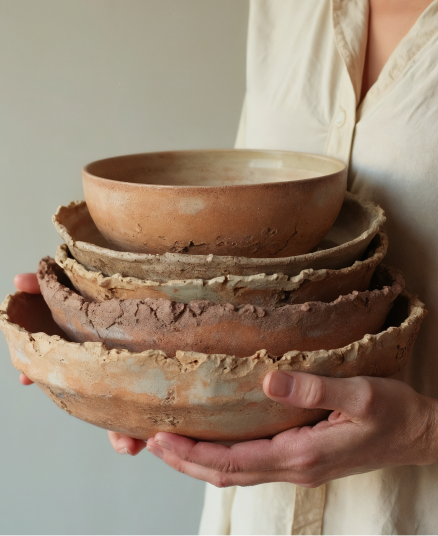
Handmade Ceramics: Unique Home Decor Benefits
Discover the charm of handmade ceramics for your home. These unique, eco-friendly pottery pieces enhance decor while supporting local artisans.

Break Through Artist Block: Creative Tips & Inspiration
Discover effective strategies for overcoming artist block and unleash your creativity. Learn how to get out of an artist block with our insightful tips.
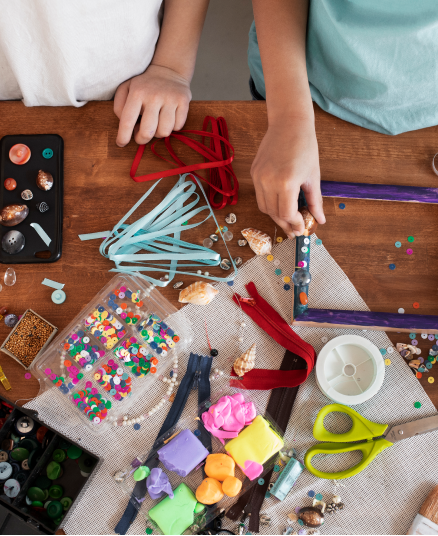
Craft Challenges You Can Try This Month
Discover endless craft challenges this month to ignite your creativity. From beginner to advanced, find new craft project ideas and connect with a community.